

Explore medieval architecture and markets in Tallinn Estonia
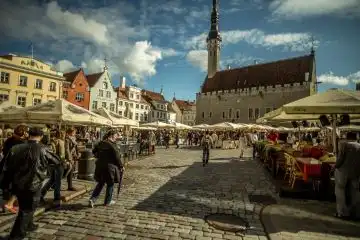
Tallinn, Estonia's charismatic capital, is one of Europe's best-preserved medieval cities. The bustling markets in Tallinn Estonia operate where ancient merchants once traded spices and fabrics, while soaring Gothic spires still guard the skyline. With its cobblestone lanes, fortified walls, and enchanting towers, it offers a glimpse into the past. That cannot be experienced anywhere else in the Baltic region. What makes Tallinn truly exceptional is the seamless blend of history and everyday life. Exploring this city means immersing yourself in a timeless world. There, every building has a story, and every square breathes life into centuries-old traditions.
Step into the Fairytale Charm of Old Town
Tallinn's Old Town (Vanalinn) is a true medieval masterpiece. It is characterized by its maze of winding alleys, red-tiled roofs, and striking stone buildings. Divided into Lower Town and Upper Town (Toompea), each section reveals a different facet of the city's feudal past. The Lower Town was historically home to merchants and craftsmen, while Toompea housed nobility and rulers. Embark on a winder adventure in Sapporo with us. As you stroll through narrow lanes like Lai Street or admire the merchant houses on Pikk Jalg, you're walking paths that haven't changed in centuries. It's no wonder the Old Town earned its UNESCO World Heritage Site designation. As it's a preserved cultural jewel that offers a full immersion into the Middle Ages.
Town Hall Square: A Historic Marketplace
Raekoja Plats, or Town Hall Square, has been the epicenter of social and commercial life since the 13th century. It is surrounded by colorful Hanseatic buildings and open-air cafes. This square still functions as a community gathering point, especially during festivals and markets. The most famous among the markets in Tallinn Estonia is the Christmas market. That is renowned for its warm ambiance and local crafts. From handmade wool scarves to gingerbread and traditional candles, the market showcases Estonia's rich cultural artistry. During the warmer months, the square comes alive with open-air concerts, medieval fairs, and food stalls, keeping the city's trading legacy vibrantly alive.
Marvel at Tallinn Town Hall's Gothic Grandeur
Dominating Town Hall Square is the Tallinn Town Hall, the oldest surviving Gothic town hall in Northern Europe. Built between 1402 and 1404, its dramatic arches, stone-carved details, and weathered façade make it a masterpiece of medieval civic architecture. Inside, the Great Hall hosts exhibitions and performances. Further, the preserved council chamber offers insights into the governance of a medieval city. The Town Hall tower, topped with Old Thomas-the city's legendary guardian-provides sweeping views of the red-roofed skyline and winding alleys. That make it a perfect vantage point for photographers and history buffs alike.
Explore the Medieval Walls and Towers
Tallinn's defensive system, dating back to the 13th century, remains one of the best preserved in Europe. Originally consisting of 66 towers and more than 2 kilometers of stone walls, about half still survive today. Climbing the spiral staircases of towers like Nunna, Sauna, and Kuldjala gives you a sense of medieval urban defense. These structures once protected the town from sieges and invasions but now serve as viewing platforms and museums. The walkway connecting towers allows visitors to experience panoramic views and a deeper appreciation of how well-planned and fortified the city was during its peak Hanseatic years.
Dive into the Craftsmanship at St. Catherine's Passage
Just a stone's throw from the town center, St. Catherine's Passage is a hidden treasure where history meets creativity. This picturesque alleyway houses the St. Catherine's Guild, where modern-day artisans use ancient techniques to craft everything from glassware and pottery to leather goods and textiles. Housed in 15th-century buildings, these workshops create a living museum that highlights the enduring spirit of Estonian craftsmanship. Watching a glassblower shape molten glass under vaulted stone ceilings while church bells echo in the distance offers an unforgettable sensory experience rooted in Tallinn's artisanal heritage.
Aleksander Nevski Cathedral: A Touch of Imperial Majesty
Much of Tallinn's architecture is rooted in medieval Gothic tradition. But, the Aleksander Nevski Cathedral introduces a splash of Eastern influence. Built in the late 1800s during the Russian Imperial period, the cathedral offers an architectural contrast. It stands out with its dramatic onion domes, intricate frescoes, and gilded interiors. Positioned atop Toompea Hill, it faces the Estonian Parliament, symbolizing a layered history of cultural and political shifts. Even for visitors focused on medieval architecture, the cathedral enriches the narrative by illustrating how Tallinn has evolved through centuries of foreign influence while maintaining its unique character.
Toompea Castle and the Parliament of Estonia
The towering presence of Toompea Castle looms large over the city's skyline. Originally a wooden fortress built by Estonian tribes, it was reconstructed in limestone by the Danes in the 13th century. Today, it's home to the Riigikogu (Estonian Parliament), blending past and present governance under one roof. While the Baroque pink façade added in the 18th century reflects Russian influence. The medieval towers-especially Pikk Hermann-remain proudly intact. Visitors can witness parliamentary sessions or simply enjoy the panoramic views over the city, connecting with centuries of political heritage layered into the architecture.
Lively Markets Beyond the Old Town Walls
Outside the fortified gates, Tallinn continues to surprise with its modern yet culturally grounded markets. Balti Jaama Turg, or the Baltic Station Market, is an essential stop while exploring the markets in Tallinn Estonia trip. They are ideal for those wanting to experience Tallinn's vibrant present-day culture. Housed in a revitalized train station, this is an indoor market. That boasts everything from organic produce and vintage clothing to handcrafted goods and street food. It's among the most dynamic markets in Tallinn Estonia, where old meets new in both architecture and content. The mix of modern amenities and historical nostalgia offers a refreshing counterbalance to the more traditional markets in the Old Town.
Rotermann Quarter: Medieval Meets Modern
The Rotermann Quarter showcases the evolution of Tallinn's urban planning and creativity. Once an industrial zone, it has transformed into a lively area where historic grain warehouses stand alongside sleek glass towers. Innovative architecture seamlessly integrates exposed brick and timber beams with minimalist modern design, creating a visually captivating environment. This area is now filled with design boutiques, creative agencies, and art galleries, demonstrating Tallinn's embrace of the future while respectfully preserving its architectural roots. A stroll here offers a different perspective on Tallinn's narrative-one of resilience, reinvention, and renaissance.
Tallinn Christmas Market: A Seasonal Medieval Delight
Every winter, Town Hall Square is bathed in warm lights and festive joy. As it hosts one of Europe's most charming Christmas markets. The tradition dates back to 1441, when Tallinn became one of the first European cities to display a public Christmas tree. Today, the market continues to enchant visitors with stalls selling handcrafted decorations, felted slippers, traditional wooden toys, and seasonal treats like black bread, roasted nuts, and glögi. It's undoubtedly one of the most magical markets in Tallinn Estonia. That offers a wintertime experience that perfectly fuses medieval surroundings with holiday cheer.
Savoring Medieval Flavors in Historic Cellars
For a fully immersive historical experience, dining in one of Tallinn's centuries-old cellars is a must. These stone-walled spaces serve traditional Estonian meals inspired by medieval recipes. Picture flickering candlelight, wooden benches, and staff dressed in period costumes, all adding to the ambiance. Dishes like smoked game, root vegetables, and honey-brewed ale provide a taste of Estonia's rustic culinary roots. These establishments don't just serve food-they revive the essence of a medieval feast and bring history to life on every plate.
Bringing the Past to Life Through Festivals
Few events capture the spirit of medieval Tallinn better than the Medieval Days Festival held each summer. Streets fill with jugglers, minstrels, knights, and craftspeople, turning the city into a living stage. Historical reenactments, archery contests, and puppet shows entertain visitors of all ages. Temporary markets in Tallinn Estonia spring up during the festival, where artisans demonstrate ancient skills and sell handmade wares. It's a vivid, immersive way to experience medieval Tallinn not as a relic of the past, but as a thriving cultural celebration that still breathes life today.
Conclusion: Tallinn's Timeless Allure
Tallinn isn't just a destination-it's an experience that transcends time. With its intricate blend of Gothic architecture, fortified walls, vibrant cultural events, and lively markets in Tallinn Estonia, the city offers something for every curious traveler. It's a place where ancient craftsmanship meets contemporary creativity. Here, every corner has a story to tell, and the echoes of medieval life still shape the rhythm of today. Whether you are exploring cobbled streets, admiring cathedral domes, or browsing through local markets, Tallinn promises memories. That are as enduring as its stone towers.


